
NatureWorks
What is the 3-30-300 rule? What's a doorstep tree? How does a 45 year-old tapestry look now? What exciting nature-based work is happening in the University of Galway? Hear an artist, a philosopher, an ecologist, experts in social science, peatlands, seagrass, health and urban forestry along with a writer, biodiversity officer, nature solutions veteran and a city engineer talk about the most important challenges of our era. And how we can fix them with Mother Nature at our back.
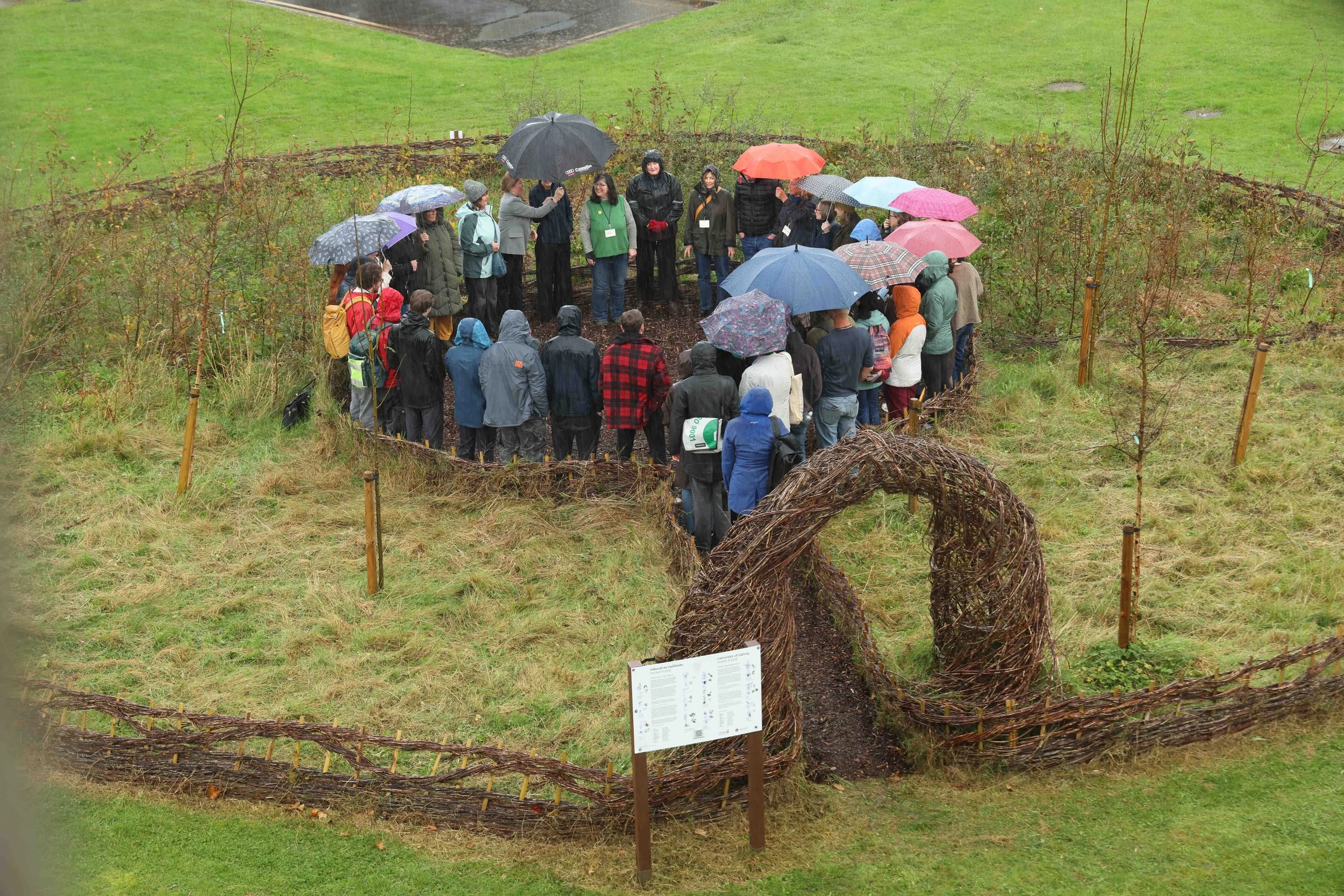
NatureWorks began in nature with a grounding session in the Pocket Forest at the University of Galway campus. Student Counsellor Fiona Roche and ecologist Dr Caitríona Carlin. Fiona encouraged us to feel the emotions in our bodies and then let them go. The Galway rain added to the sense of being grounded in nature.
Grounding in the Pocket Forest Circle
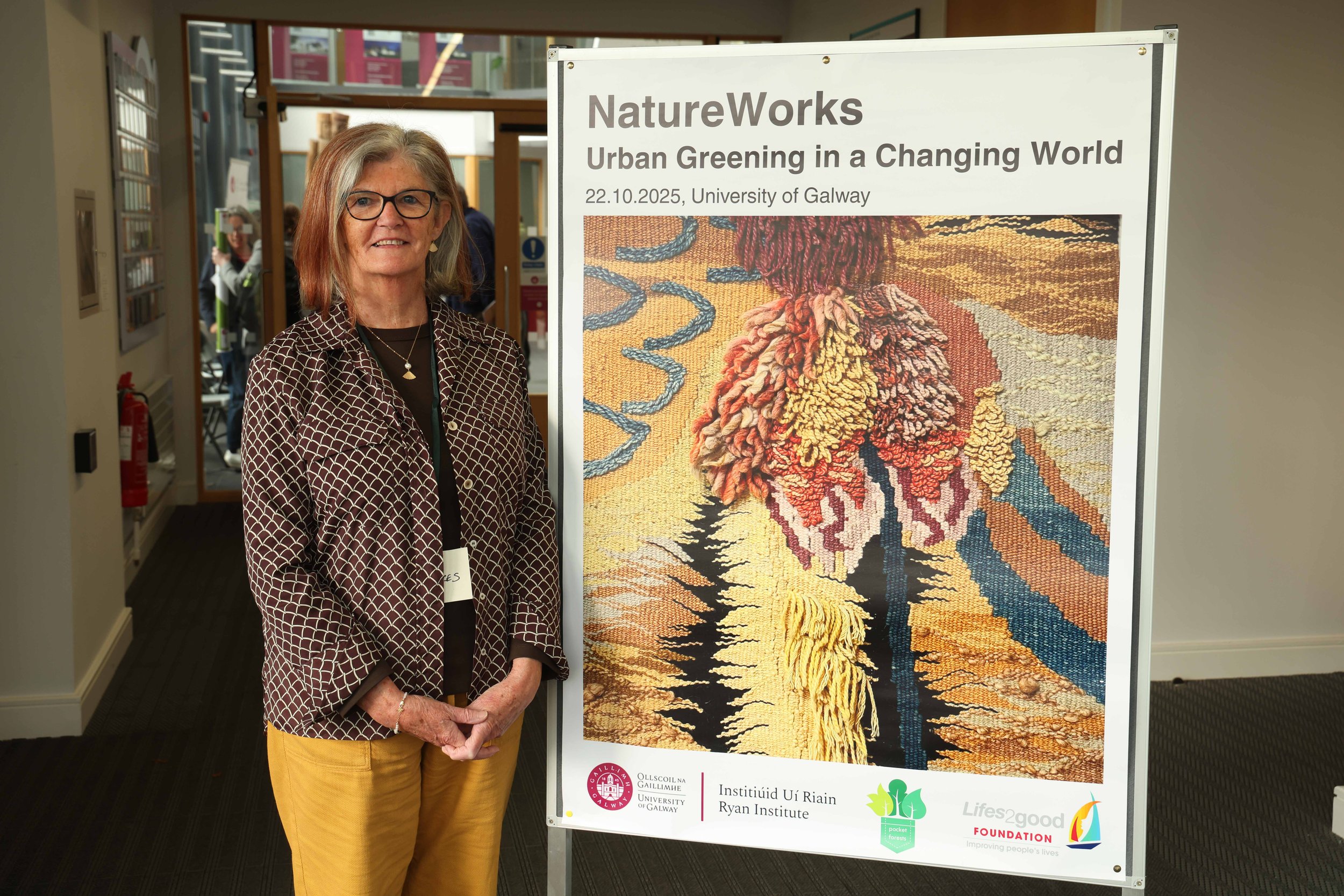
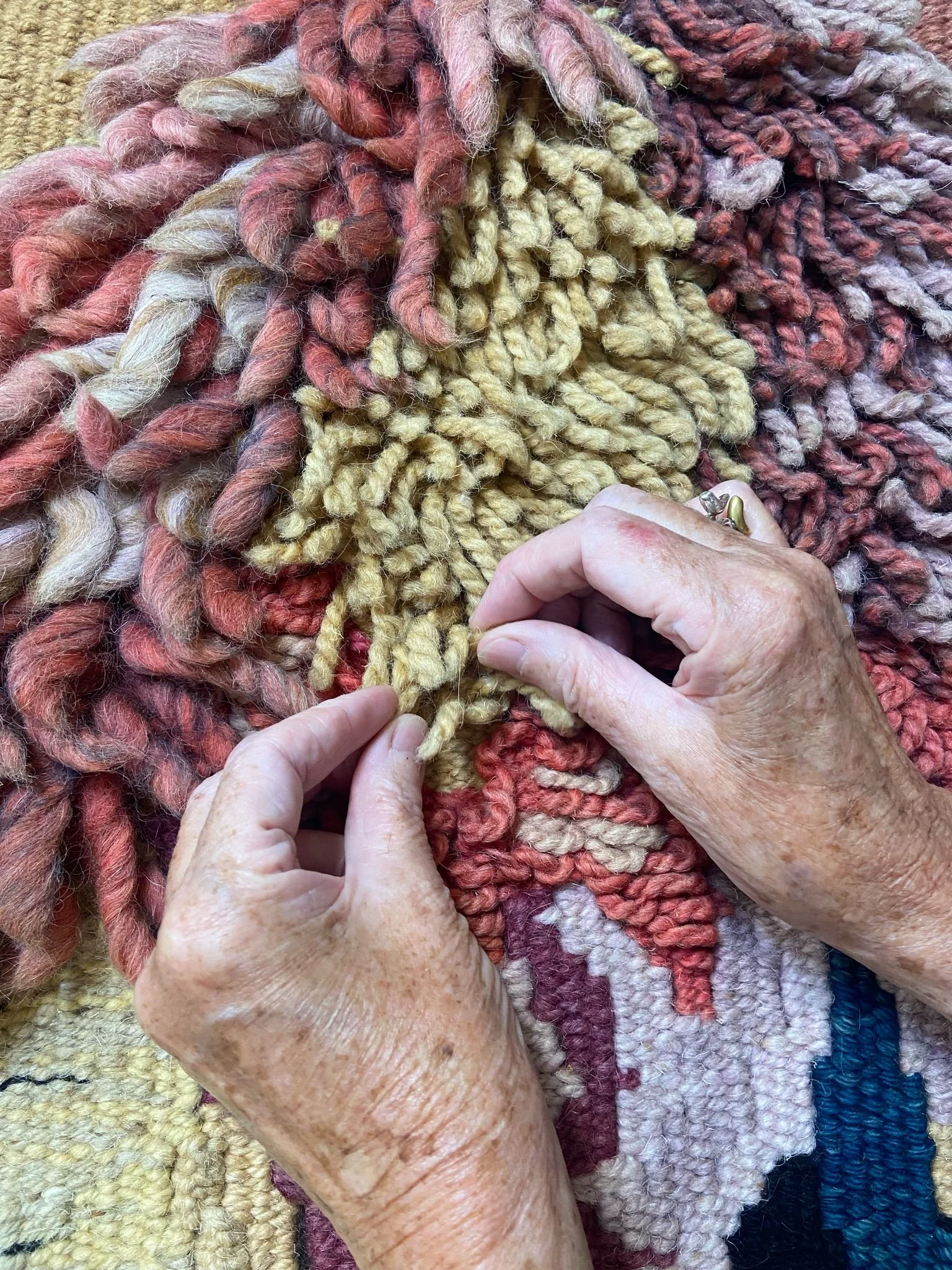
The first speaker tapestry artist Frances Crowe explained how she uses her art to draw attention to nature and social issues. Her Nature Hues tapestry was created 45 years ago, she explained and all the colours derived from plants. They are still as vibrant today as they were when she made the piece.
It was a formula born out of the frustration of our keynote speaker, leading urban forestry expert Prof Cecil Konjinendijk. And it went viral in early 2021. Despite all the evidence about the benefits of trees and healthy green spaces in cities the nature-based idea was not getting through to decision makers. So his formula gives a simple rule of thumb to assess nature in cities: Can you see three trees from your window, has your city got 30 per cent tree canopy cover and does everyone live 300 metres from a high quality green space?
Studies showed trees in urban areas were "not just nice to have," he told the conference, but absolutely necessary. Tens of thousands of lives could be saved in Europe by greening cities, making them cooler and cleaner, he said. Trees help prevent deaths from extreme heat and air pollution. There were four key strategies, he said: increasing canopy cover, putting in pocket parks and pocket forests, growing community gardens and greening schoolyards.
Dr Alma Clavin and Dr Sinead Sheehan introduced six "Lightning Talks" showcasing University of Galway academic work in the climate and biodiversity spaces.
Dr Nora Ward from the School of History and Philosophy talked about her Philosophy in the Wild project which used an outdoor garden as a thinking and nature-connection space.
Dr Terry Morley, School of Geography, Archaeology and Irish Studies talked about on bog restoration and the huge biodiversity and carbon sequestration gains to be had from protecting and restoring Ireland's peatlands.
Dr Liam Morrison, School of Natural Sciences, explained how research on seagrass could help restore this aquatic plant species with huge gains for the health of the sea and climate resilience helping to prevent coastal erosion.
Dr Gesche Kindermann from the School of Natural Sciences outlined her work with stand-up comedians, touring with a show which allowed people to talk about their climate anxiety and share ideas.
Dr Mary Jo Lavelle, from the School of Health Sciences talked about the rain garden project in collaboration with Galway City Council which will see native planting in deep trenches to absorb storm and rainwater events more effectively.
Dr Caitríona Carlin gave us glimpses of the wealth of wildlife living on the campus thanks to the different habitats including wet woodlands, the river Corrib, wild meadows and areas of scrub.
What is the 3-30-300 idea?
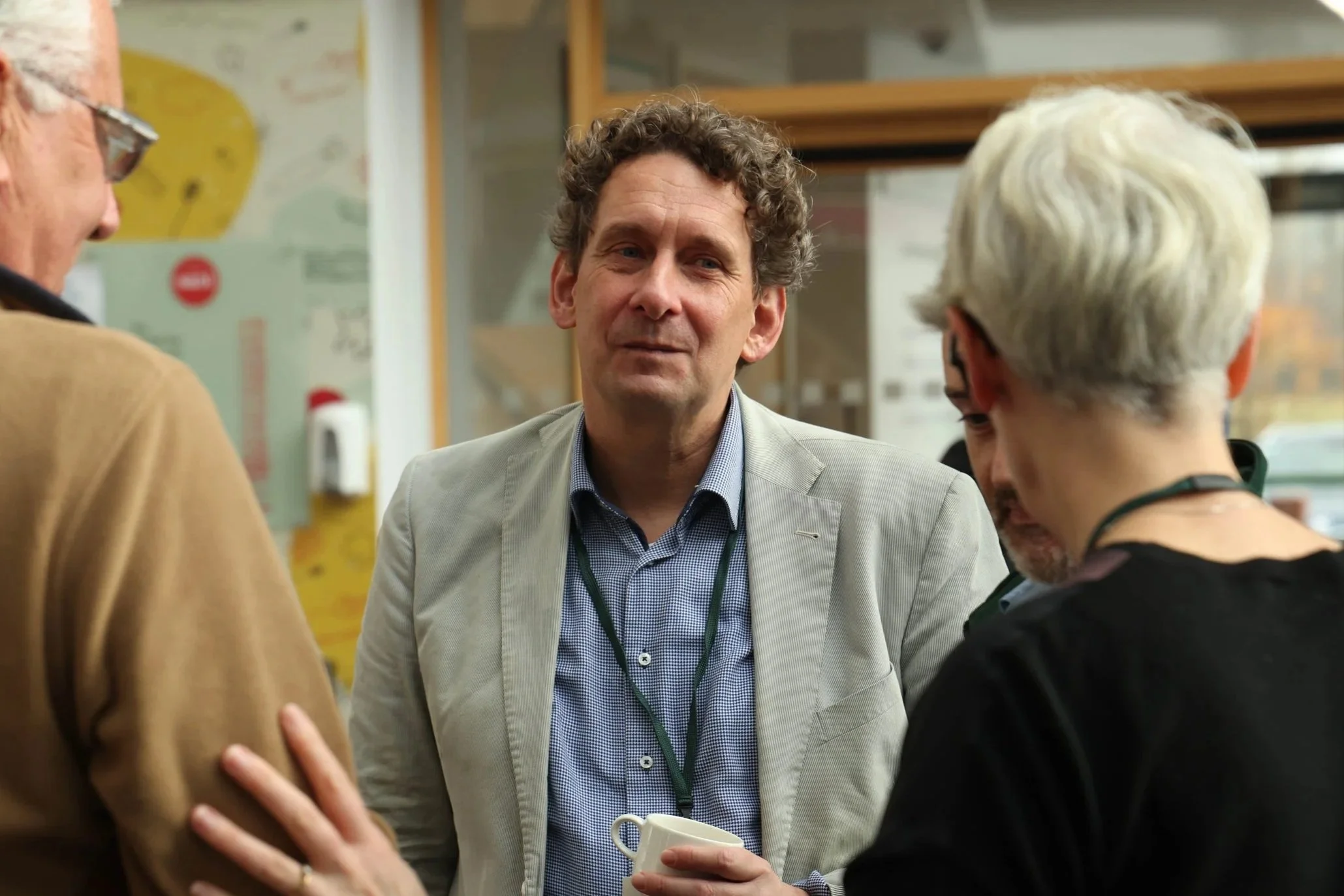
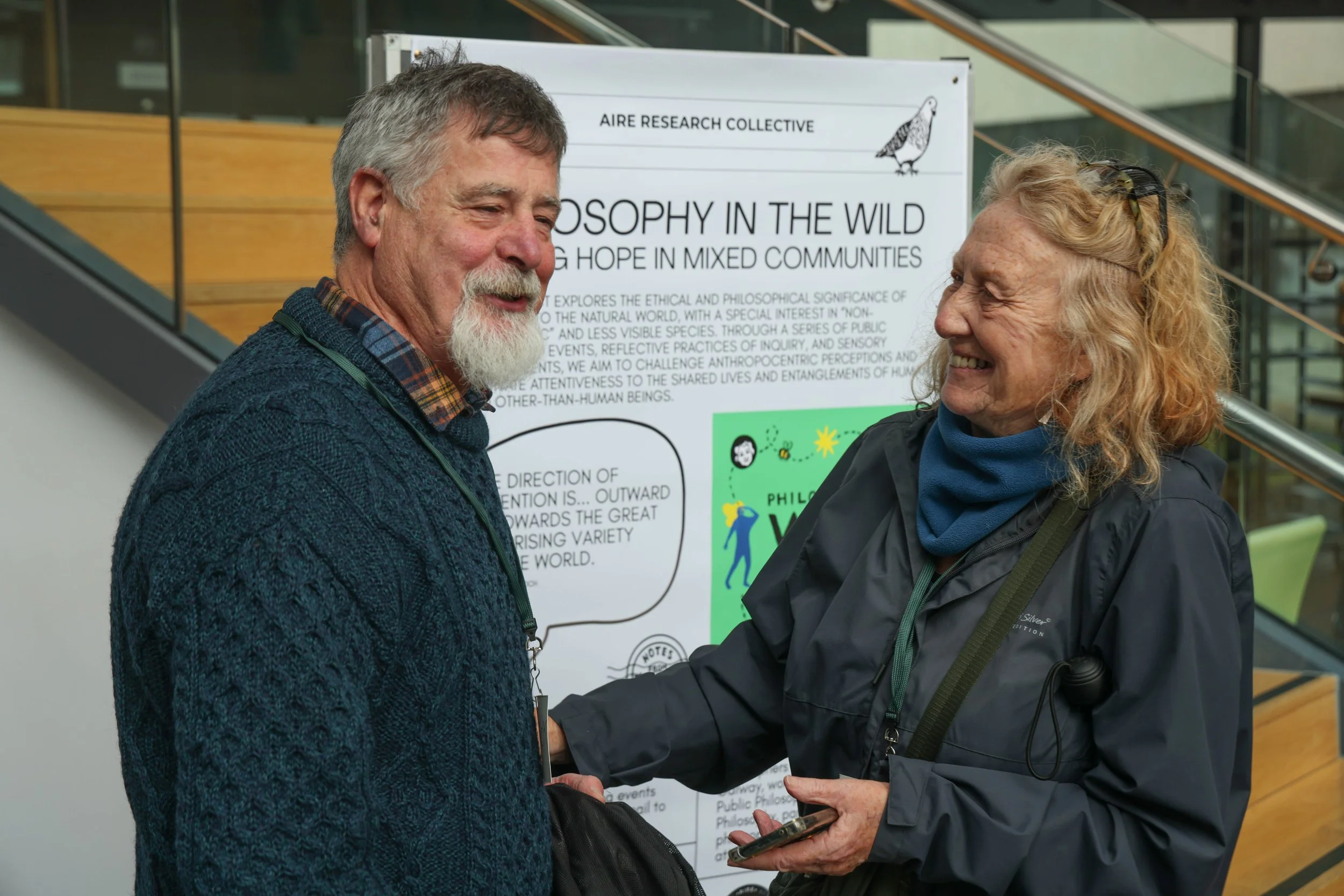
“The enthusiasm of speakers and their actions were inspiring”
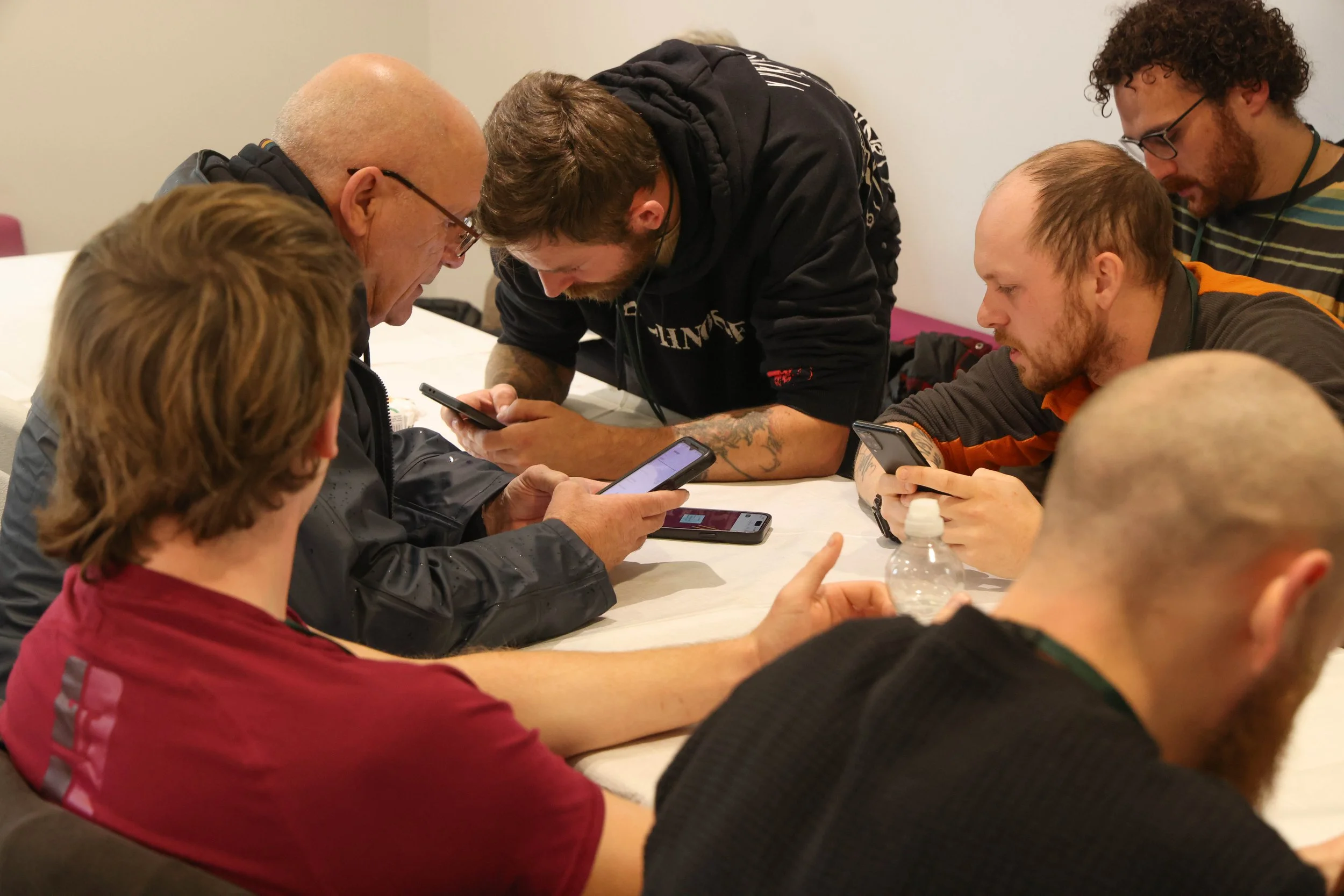
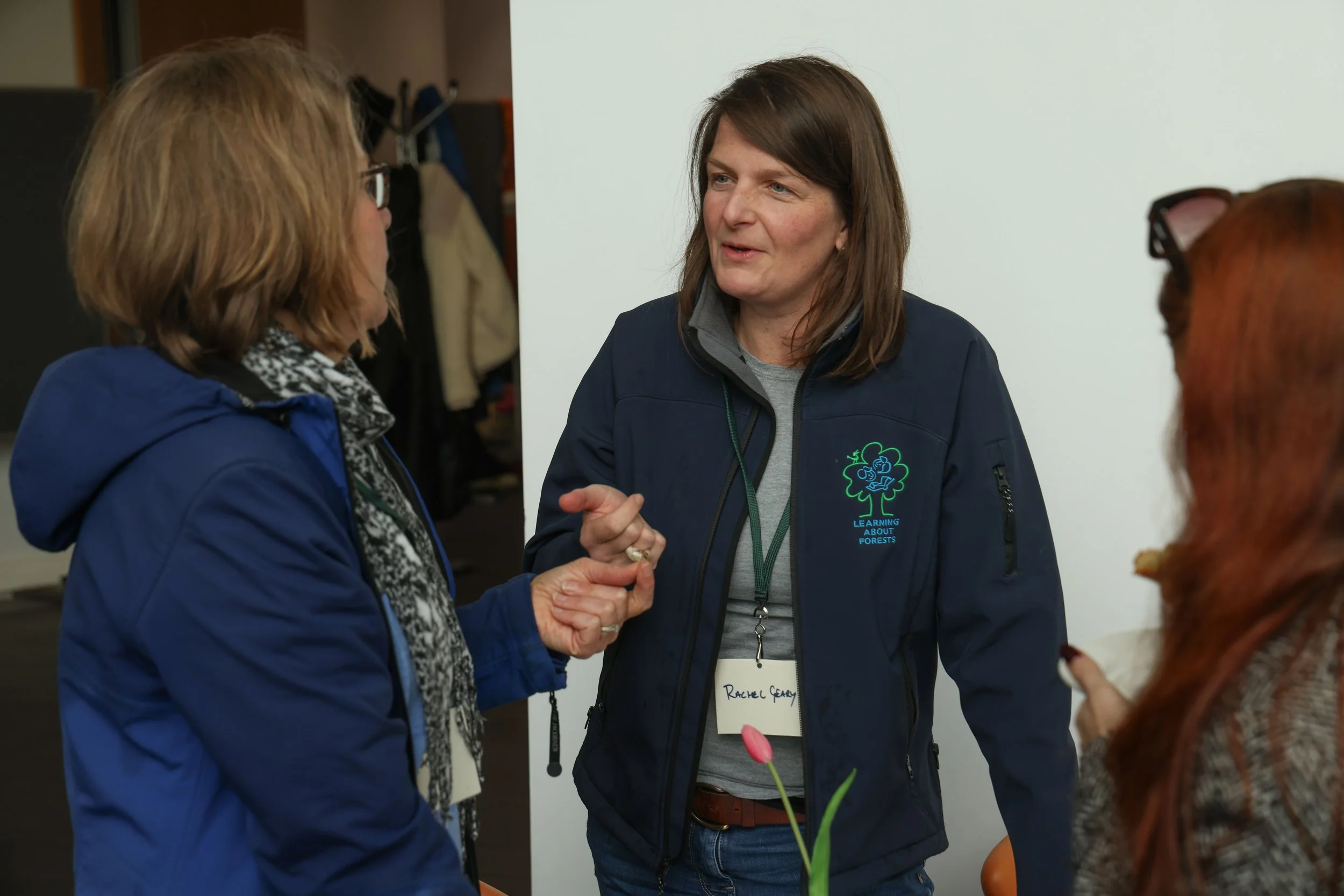
The loss of nature has been “death by a thousand cuts”. So maybe many small acts of healing can repair the damage
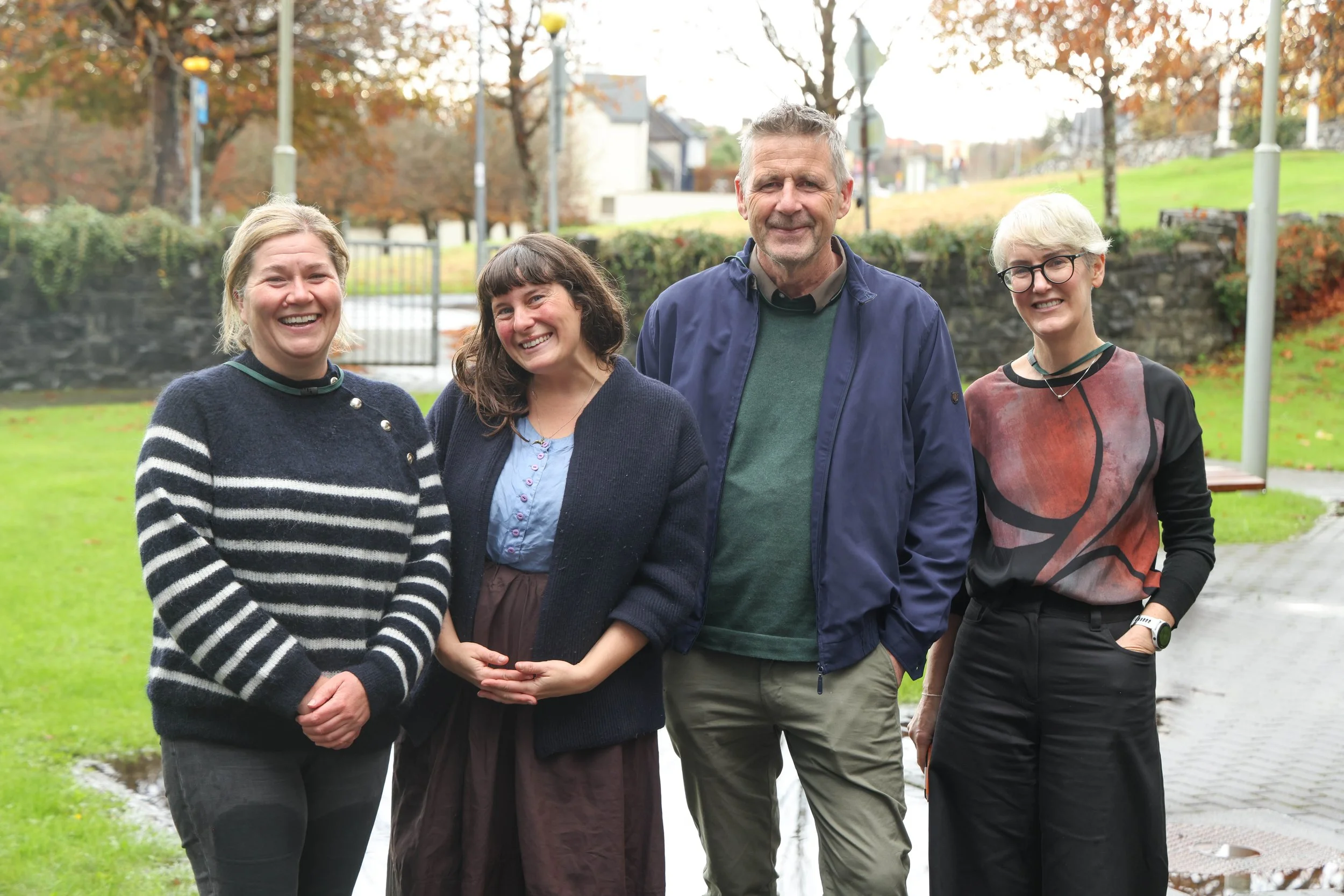
The final indoor part of the conference was a panel discussion chaired by Catherine Cleary, co-founder of Pocket Forests. Galway City Biodiversity Officer Paula Kearney talked about the joy of tree planting with teenagers who responded to her enthusiasm for soil by removing their gloves and getting stuck in. Dublin City Council senior executive engineer John Stack explained work to restore the Santry river is using nature-based solutions and working with local communities. Burrenbeo founder Brendan Dunford talked about the destruction of nature being "death by a thousand cuts," rather than a single huge blow. So restoration by a thousand acts of healing could see the damage reversed with small local actions. The work of farmers, landowners and communities to take action to help nature is growing in momentum. Writer Kerri Ní Dochartaigh said the work of restoring nature tapped into ancient traditions of gathering, giving and grieving. And the importance of collaboration and community gatherings as we tackle future problems could not be over-emphasised.
The conference ended with a walk to Terryland Forest Park where Brendan Smith explained the history of the project when thousands of people planted the forest 25 years ago in fields surrounding the Corrib River.
NatureWorks was co-created by Pocket Forests, a social enterprise reconnecting communities with nature and the Ryan Institute and generously sponsored by the Lifes2Good Foundation.
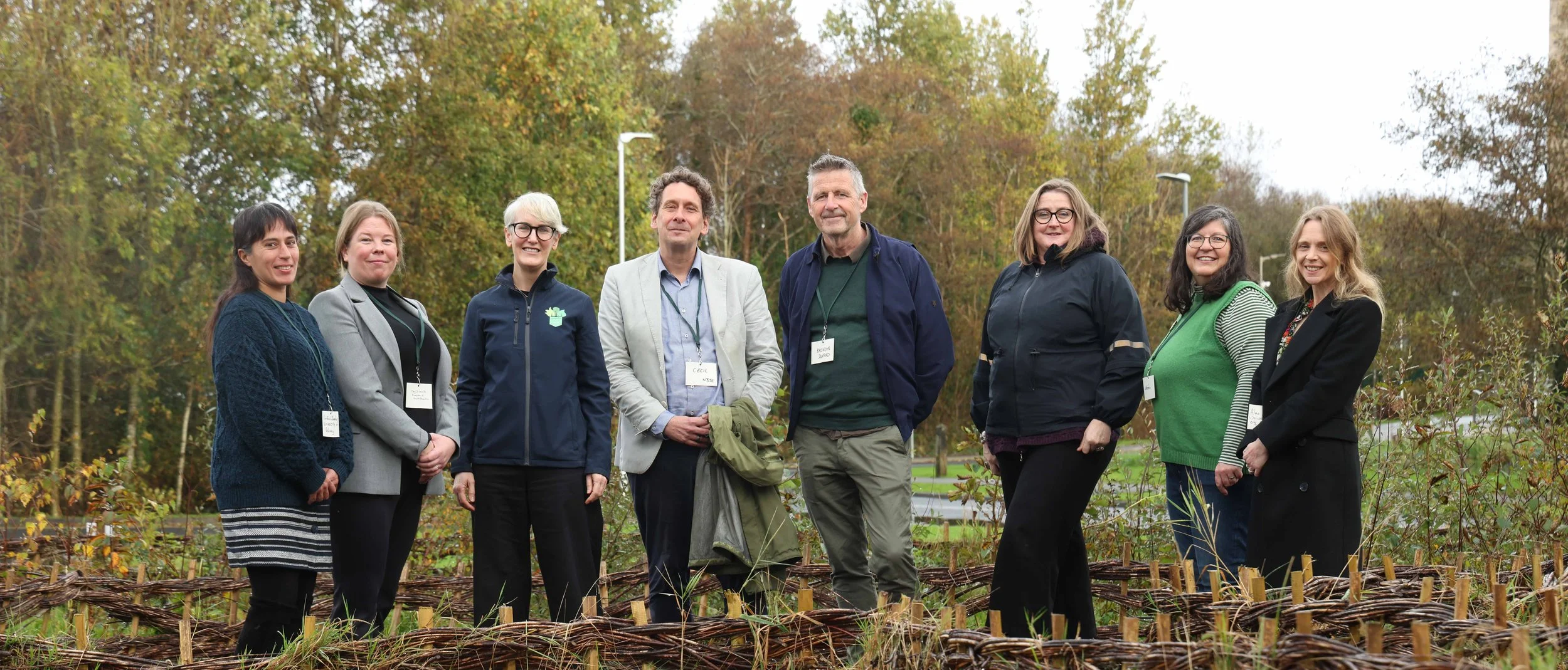
Pictured above left from left to right Paula Kearney, Kerri Ní Dochartaigh, Brendan Dunford and Catherine Cleary
Photographs by Aenghus McMahon
Recording by Stationhouse Media